
Start with the moment someone needs help
At an exhibition, a visitor gives a complex product a few minutes. In a museum, someone moves between exhibits and tries to understand the story connecting them. In training, an employee needs to perform a task. Smart glasses may be worth exploring in each case, but the content, action and operation will differ.
One name, different kinds of experience
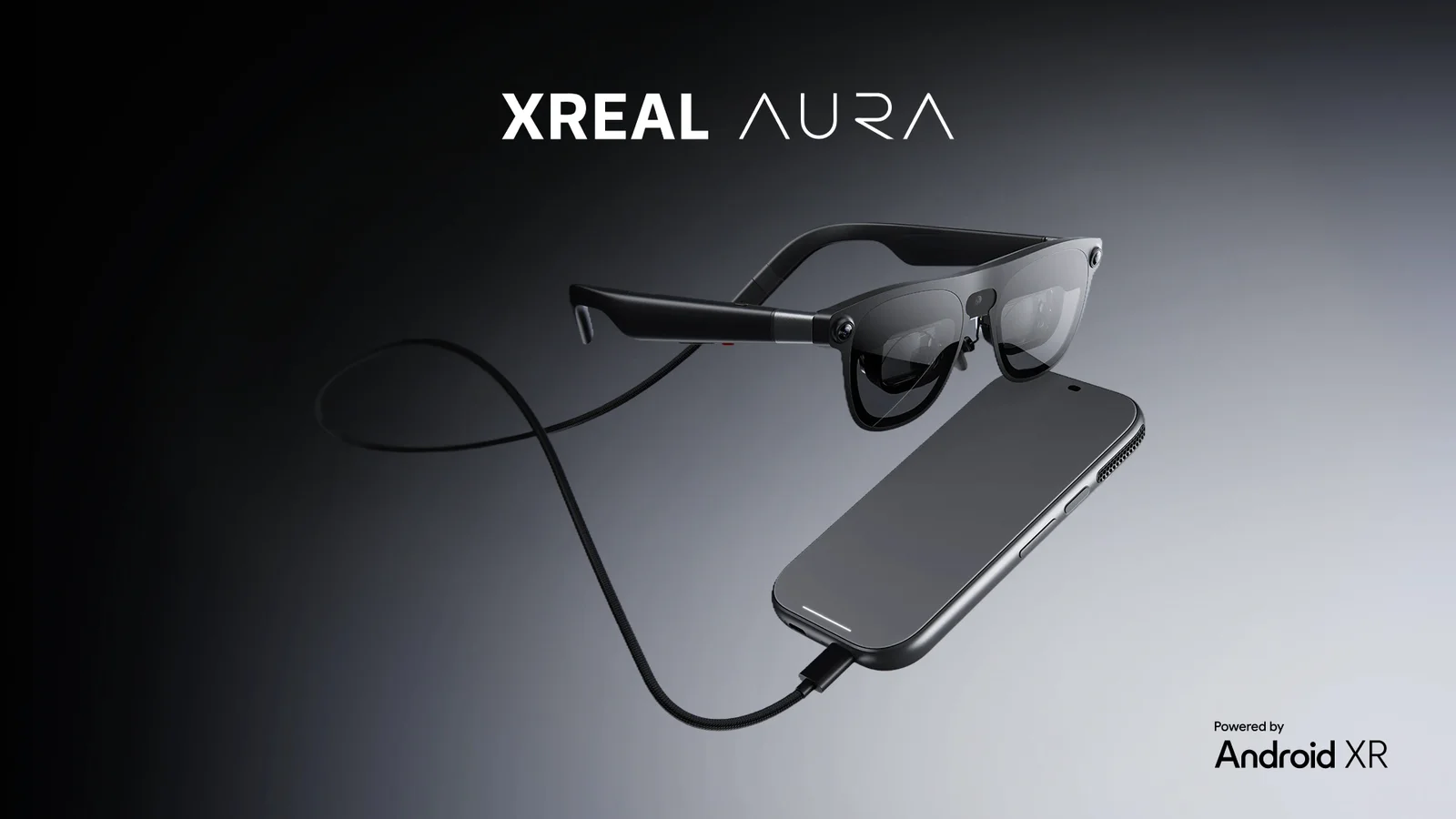
Some glasses focus on audio and a camera, others add a personal display, and spatial systems can relate content to the environment. That distinction affects what can be built and how people participate. An AR model placed beside a product requires different capabilities from an audio explanation or a brief display prompt.
The task defines the content
Which part of the product is difficult to explain? Where does a visitor lose context? Which action needs practice? A precise question helps define what to show, how much information to provide and what feedback supports the next step. Instead of moving a presentation in front of someone’s eyes, design a sequence of discovery and action.
Three directions worth exploring
A product demonstration could reveal layers and let people select a use case. A visitor experience could use a companion character or an explanation connected to a point on a route. Training could offer a focused unit with a decision and feedback. These are directions for specification; suitability depends on the device, place and audience.
Putting on the glasses is part of the interface
Who hands over the device? How long does fitting take? How does someone select, go back or get help? A conference also needs charging, queuing and operating cycles. Resolve these questions alongside the content, before installation.
From practical experience: connect the story with its setting
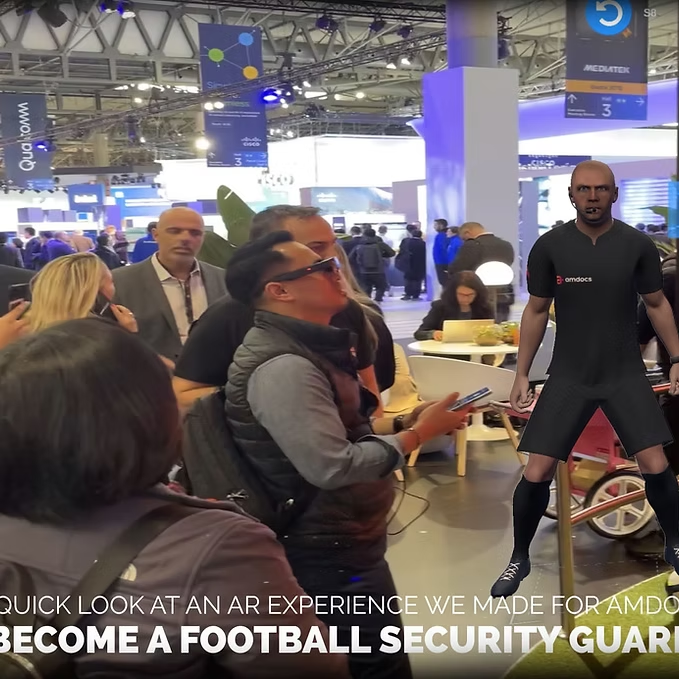
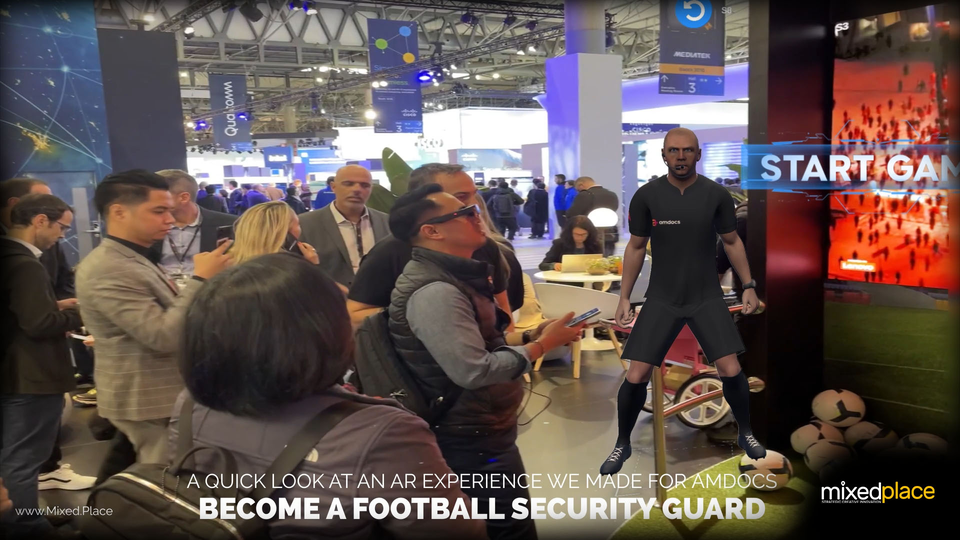
In Amdocs’ MWC project, AR glasses worked with a three-dimensional story and booth content. The visualization gave visitors a way to encounter a technical message through participation and continue to an explanation and conversation. The project is not attributed to a different manufacturer’s new device: the transferable principle is the connection between content, person and space.
A useful pilot answers a question
Can users understand the controls, complete the task and find the relevant explanation? Can an event team operate it repeatedly? Completion, content choices, usage time and feedback can inform the trial. To discuss business value, connect that evidence with the objective; time spent alone does not prove a sale or return on investment.
The first step can be focused
Choose one moment in the customer, visitor or employee journey, and one piece of content that could help. Build an experiment, test fit and decide what follows. Hardware is selected to serve the idea and the person using it.
Official sources
This overview is based on the listed sources, not hands-on device testing. Use-case analysis and implementation suggestions are Mixed.Place’s. Capabilities, developer access and availability may vary by device and market.